
Футбол
Обзоры
04.06.2025
Tokenomics of VoteSport

Introduction
Today, we begin exploring the tokenomics of VoteSport, which serves as the core mechanism for participant interaction and is one of the most critical elements in the promotion strategy of crypto projects.
In the world of crypto, tokenomics has long ceased to be just a technical appendix—it has become the language of decentralized economic systems. VoteSport approaches this from an unexpected angle, offering a model where the VTS token is not merely an "internal currency" but the central element of a complex ecosystem linking betting, trading, and DeFi.
Today we will take a detailed look at:
The architecture of the emission and the mechanisms for creating a deficit
The real economics of demand for VTS
CLIFF restrictions as a social contract.
The figures show the technical parameters of the VTS token, the Roadmap and how the Votesport tokenomics view plays a key role in its work.
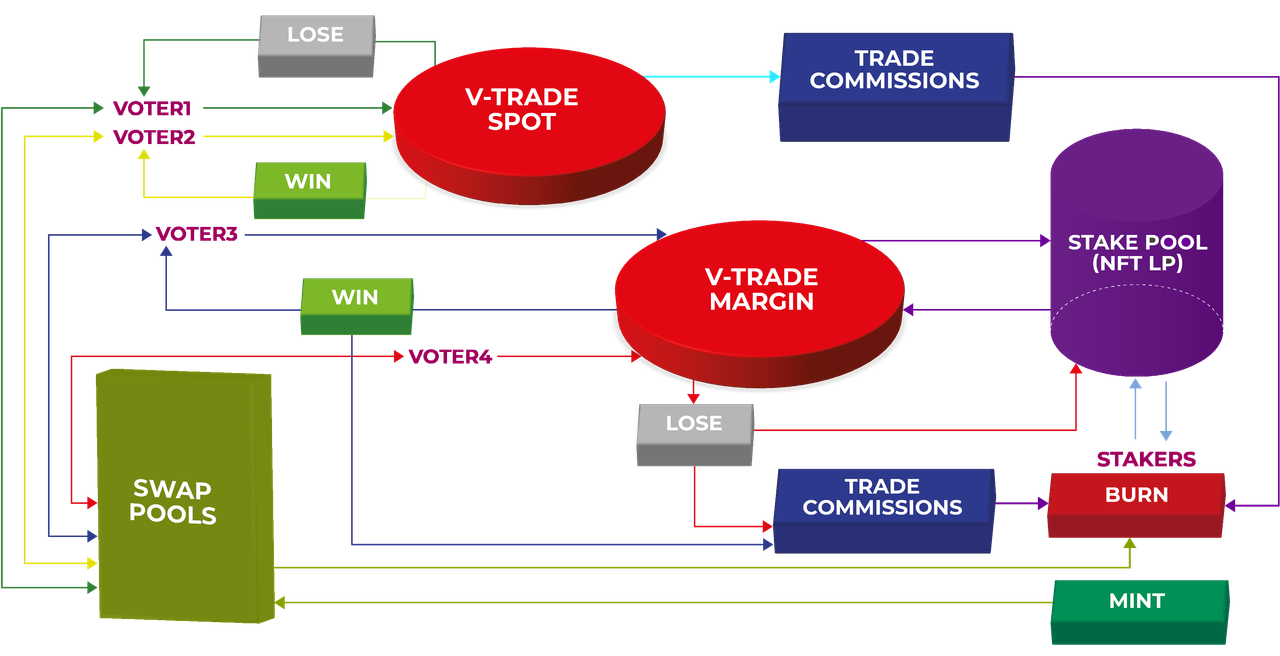
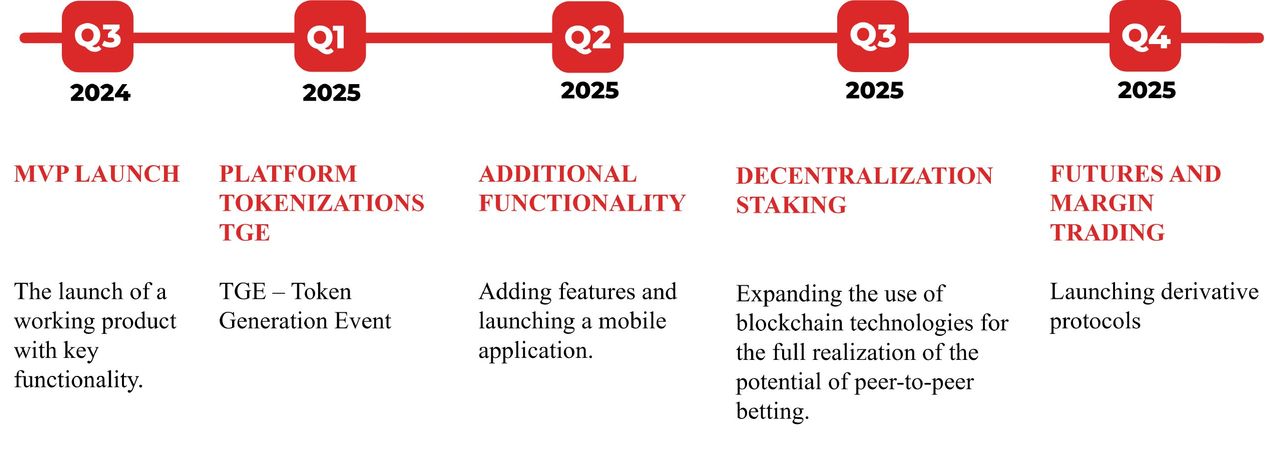
VTS token parameters
Emission:
Total issue: 1 billion.
Maximum number of tokens in circulation: 1 billion <= Total issue.
The controlled emission model with a hard limit of 1 billion VTS in circulation is programmed at the smart contract level. This means that the number of tokens in circulation may be less, but not more than this amount.
Release curve: Gradual emission by quarters.
Full distribution for 10 quarters
The emission of 1 billion tokens specified at the protocol level leads to the fact, that the price of the VTS token is directly related to the number of active users, and this relationship has a proportional dependence (and this proportionality is at least quadratic, as we will find out later). The more participants on average, the higher the price of the VTS token.
Factors influencing VTS price:
1) % of tokens in circulation from the total emission - the fewer available tokens, the higher the price.
2) The ratio of temporarily withdrawn tokens (for example, in staking or burned).
3) User demand – the more active the participants, the higher the rate.
4) The share of tokens allocated for redemption and burning depends on the platform’s fees (the higher the fees, the more funds are spent on burning).
Thus, VoteSport’s tokenomics is built on the principle of scarcity with growing demand: as the audience grows, the token rate will grow. This is in line with the laws of Metcalfe, Reed (the value of the network is proportional to the number of users, see below).
Cliff. Defense against irrational behavior
Cliff is a mechanism that limits the actions of airdrop recipients that could harm the project's tokenomics.
Why is it needed? Decentralization should not turn into anarchy.
If immediate selling after an airdrop were allowed, most participants would dump tokens, crashing the price.
Cliff — is present in almost all airdrops, we didn't invent anything here. And this measure is justified.
New users should come to the platform faster, creating demand for the token, rather than old ones trying to dump everything at the first opportunity, then the price will be in the right balance.
How does Cliff work? Withdrawal ban: 6 months for all addresses that received the airdrop. You will be able to use the token on the platform, for example, vote, but you will not be able to withdraw to third-party addresses for 6 months.
Important! Cliff is tied to an address! All tokens that go to this address will be prohibited from withdrawal until the end of the CLIFF term.
Recommendation:
If you plan to participate in VTS token farming (VUSDT account) and also buy VTS tokens on the market, use different accounts in MetaMask!
BE EXTREMELY CAREFUL!!!
If you have ignored this warning, then the situation cannot be corrected.
So once again:
IF YOU PLAN TO PARTICIPATE IN FARMING, PARTICIPATING IN COMPETITIONS AND CONTESTS, AND AT THE SAME TIME BUY TOKEN FROM THE MARKET, DO NOT USE THE SAME ACCOUNT IN METAMASK!!! CREATE TWO ACCOUNTS: ON WHICH YOU PARTICIPATE IN THE AIRDROPE, AND ONE FOR PLAYING WITH REAL TOKENS.
INSTRUCTIONS ON HOW TO GET AIRDROP HERE,
INSTRUCTIONS ON HOW TO PARTICIPATE IN FARMING HERE.
Bitcoin network. Network effects. Network laws.
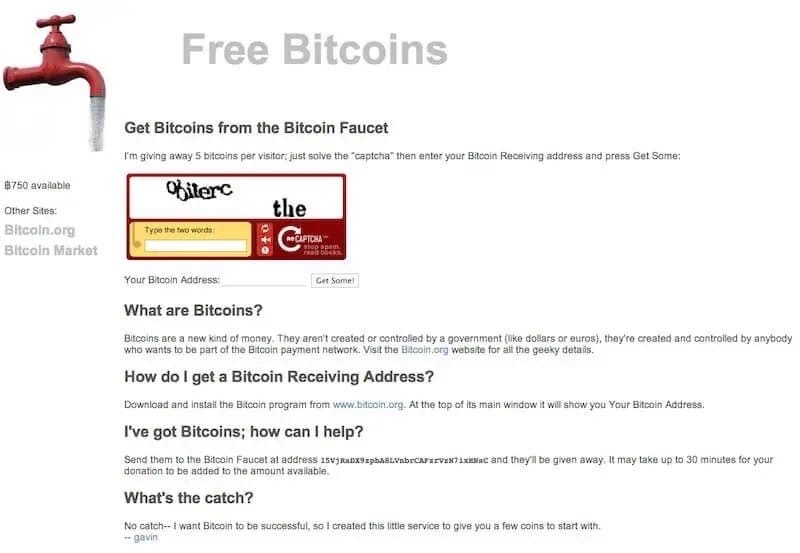
When the Bitcoin network was not extensive and had few participants, the price of Bitcoin was less than $1, the difficulty was low, Bitcoin could be mined on a home computer and receive several dozen Bitcoins per block. What can one say, many remember how the so-called bitcoin faucets, where you could come and get a few bitcoins for each visit. Just for registering. 15 years have passed, and now it is hard to imagine. Bitcoin was the key technology, time did the rest.
New bitcoins are introduced into circulation as a reward to miners. It is received by those miners who first found a block by solving a mathematical problem. And now, just like it was at the dawn of Bitcoin, it seems that anyone can become a miner, but with the only difference that the probability of winning will be extremely low. Those who have more computing power have more chances, and now, in order to successfully mine Bitcoin, you need to build a mining farm with cheap energy or choose a mining pool. Network complexity is how many miners simultaneously compete with each other for the right to include a block in the blockchain.
As the audience grows, all metrics grow: the number of new nodes, the number of transactions, new miners, as a result of which the complexity of the network grows. And since the emission of bitcoin is limited and is introduced into circulation in ever smaller portions due to halving (halving the reward for the found block), so that the last bitcoin will be mined only by about 2140 - this pushes the price up in conditions of increased demand. That is, this moment is purely economic, thought out at the architectural level as a simple logic of creating artificial scarcity. Limited emission at the protocol level is the most important economic incentive of the Bitcoin network. Inflation of such an asset does not occur in conditions of growing demand. Any limited asset that people attach value to is a protection against inflation a priori. This logic works with both Bitcoin and gold.
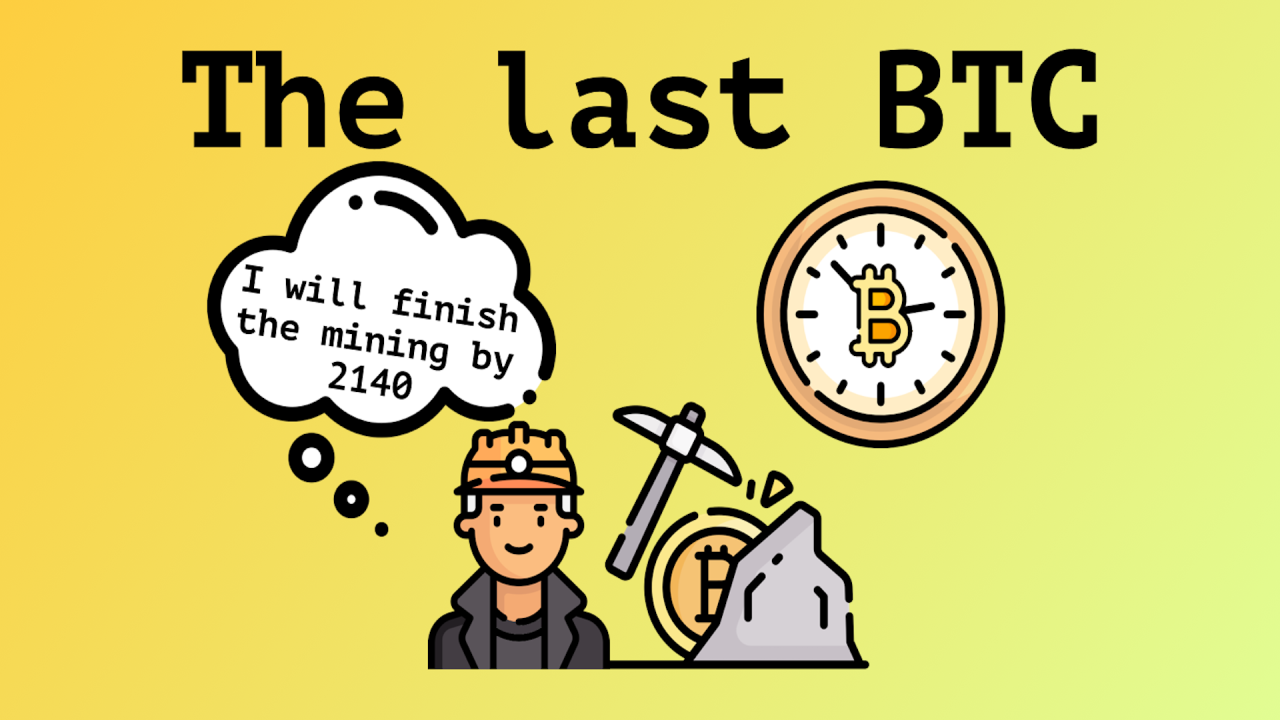
“An asset whose availability or resources are limited, while demand for it simultaneously increases, becomes valuable.“
But unlike real assets, digital assets have one additional dimension: the number of participants. The more nodes, the more decentralized the network, and therefore its value increases.
So, we come to the key conclusion that is fundamentally related to the price of a digital asset - this is the number of nodes (participants) in the network.
“The value of a network is proportional to the number of its connected users”
Metcalfe's equation states that the value of a network is proportional to the square of the number of its connected users.
In mathematical terms, this can be expressed by the formula
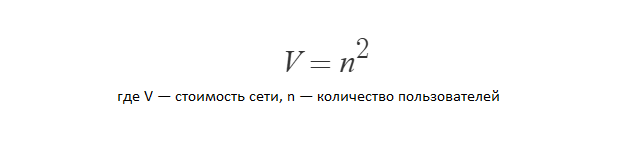
Metcalf's Law describes many of the network effects of communications technologies and networks such as the Internet, social media, and the World Wide Web. Former Federal Communications Commission Chairman Reed Hundt said that this law best explains how the modern Internet works. Mathematically, Metcalfe's law shows that the number of unique possible connections in an n-node network can be expressed as a triangular number

The law is often illustrated using faxes as an example: A single fax machine is useless by itself, but the value of each fax increases as the total number of fax machines in the network increases, because the total number of people each user can send and receive documents to increases. This is a common illustration of the network effect. Thus, in any social network, the more users there are, the more valuable the service becomes to the community.
It is network effects that explain the phenomenon of Bitcoin and cryptocurrencies.
There are other network laws that explain network effects:
Sarnov's law states that the value of a radio or television broadcasting network increases in proportion to the number of viewers.
Ridda's law argues that the value of a network increases exponentially with the number of potential subgroups that users can form. For example, in social networks, users can create specialized groups based on common interests, professions, or hobbies. As these communities grow, the overall value of the network grows exponentially.
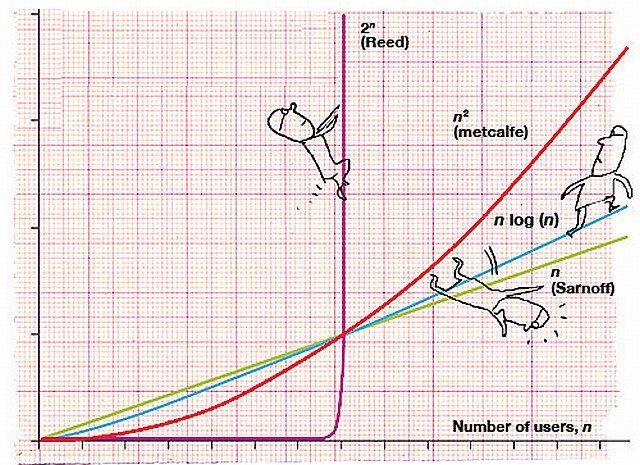
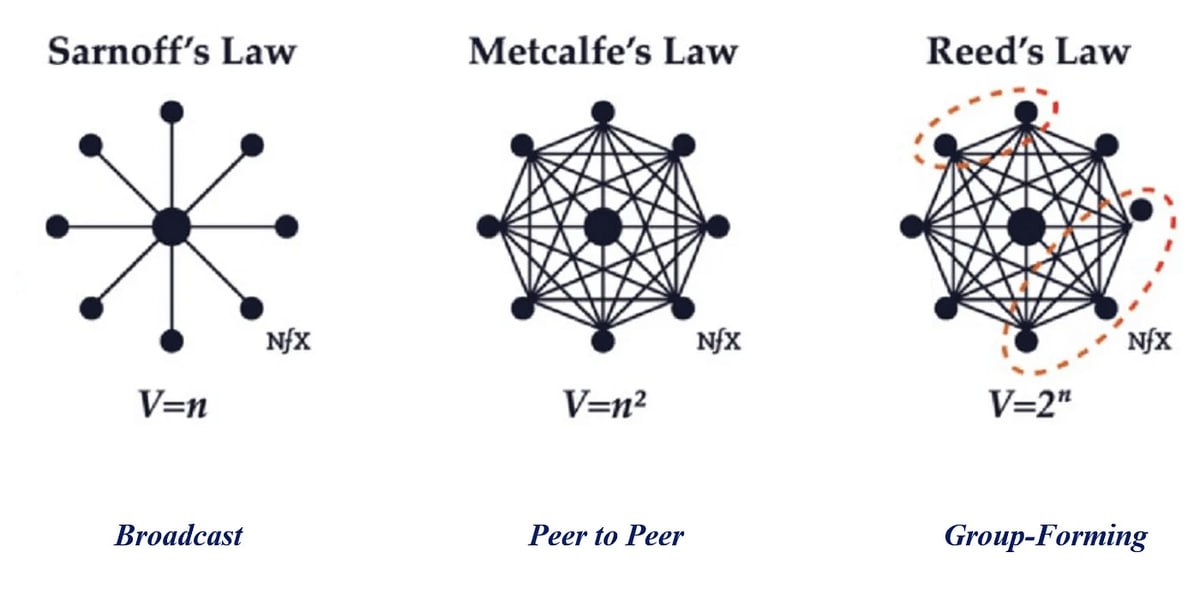
Thus, Sarnoff's law states that in the first stage of network development, the most important service is the one that provides communications, and Reed's law states that as the network expands, its value increases due to the formation and growth of subgroups.
Market and Tokenomics: Global Pricing Factors. Liquidity.
Now let's talk about the market in the context of tokenomics.
What else influences the price of a digital asset? After all, if it were all about network effects, then the price of Bitcoin should grow continuously. But instead, we see growth cycles alternating with cycles of decline . Just like any asset, with high volatility.
The price of BTC as a digital asset is influenced by global reasons - external , and those that are directly related to the asset itself - internal , qualitative (benefits for people, network effects, tokenomics, marketing, etc.).
Global factors include the state of the global economy, capital markets, debt levels, regulation , political risks, and more. But at the level of specific markets, liquidity plays a key role. Liquidity flows reflect investor sentiment and risk appetite in specific conditions.
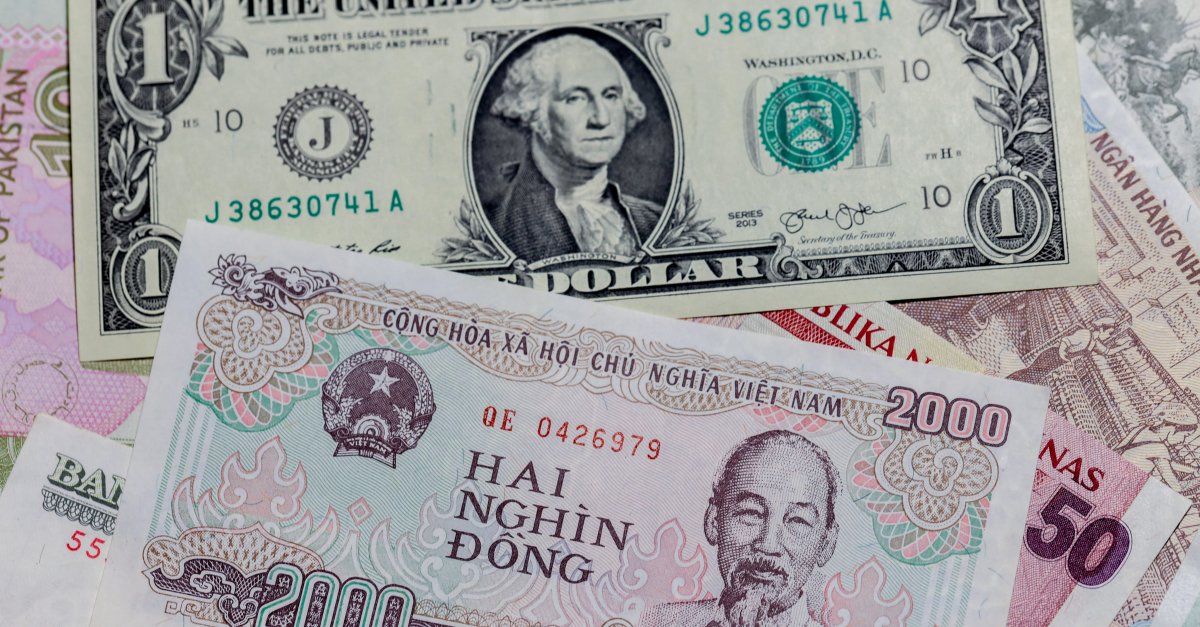
The term liquidity implies the property of a product to turn into money without significant losses in value. That is, a liquid product is one that can be sold quickly and in large quantities. By and large, money (currency) is also a product and also with varying degrees of liquidity. For example, money in the form of the US dollar is more liquid than money in the form of the Brazilian real or the Polish zloty.
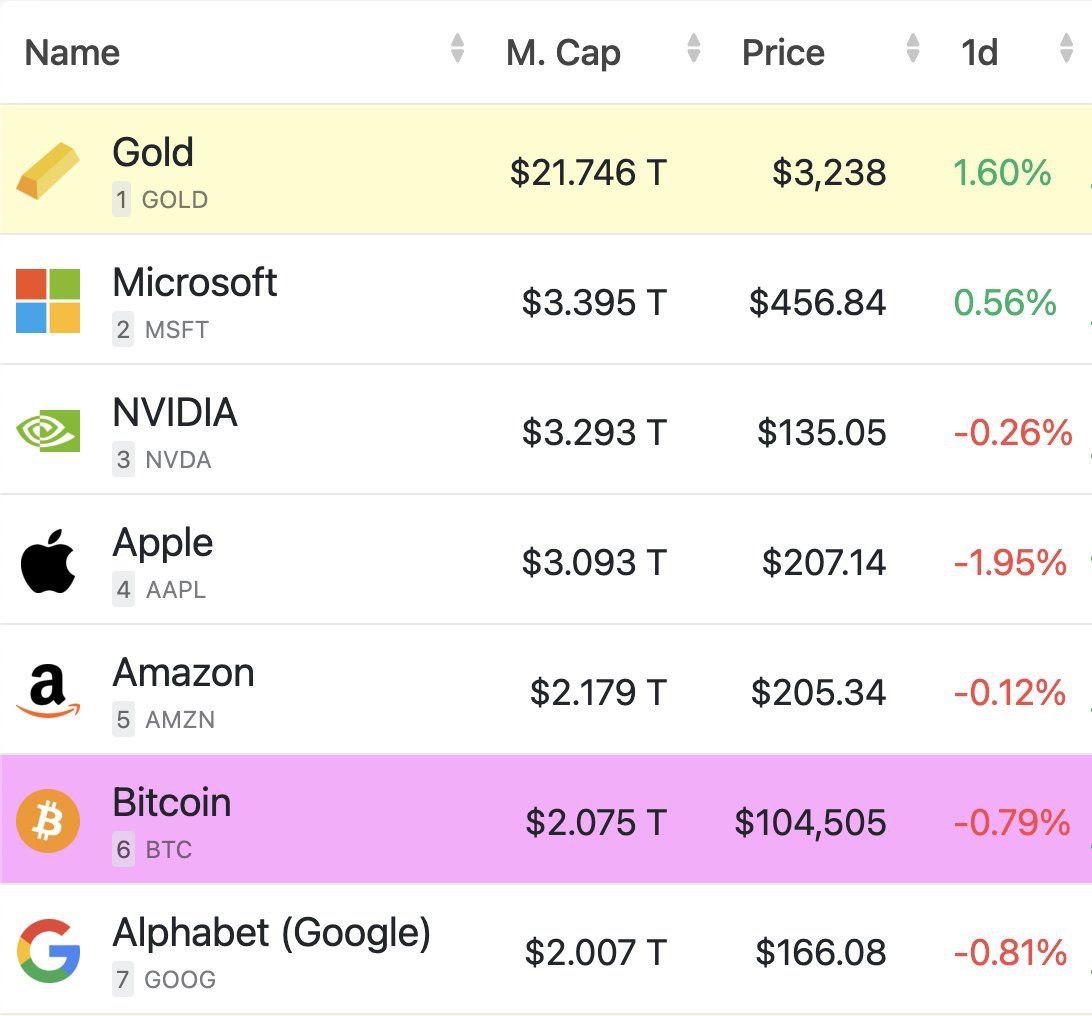
If there is a lot of liquidity and, importantly, it is cheap, then asset prices grow, as does the appetite for high returns and risk, respectively. At the moment, from the point of view of the current international classification, any digital asset, even Bitcoin, is a risky asset . Many Bitcoin maximalists will be outraged here, how can an asset that has outpaced silver and Google in capitalization be classified this way, but it is: a typical “high beta asset” .Indeed, the volatility of crypto assets in general is much higher than, say, that of commodities (raw material markets such as oil, oil products, gas, metals, etc.), including due to the fact that there is less liquidity.
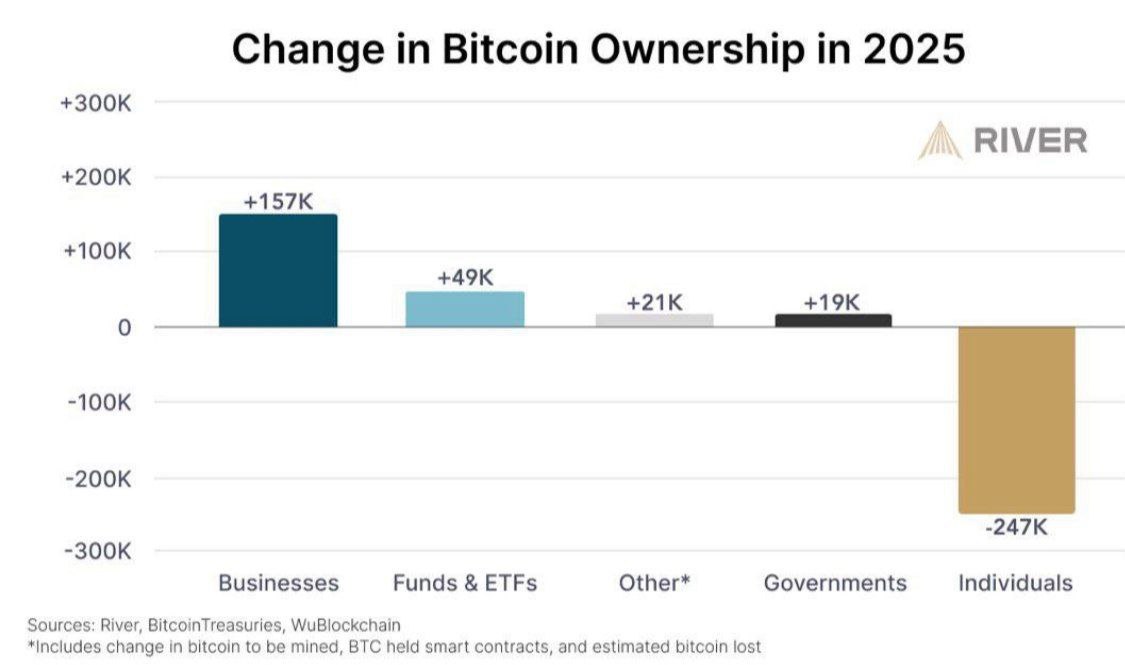
There are no clear standards and rules at the methodology level, which cannot attract institutional investors to crypto. Perhaps this is simply due to the inertia of consciousness (quite possibly lobbied) of the organizations that develop this methodology and instructions. If Bitcoin were officially allowed to be stored in banks as a custody service (a service for storing cryptocurrencies in banks), it would probably be owned by many more people who would not have to overcome the “ digital barrier ”, and, most importantly, funds and investors could do this everywhere and, accordingly, from the point of view of the required legal and compliance procedures. There is an opinion that this alone would be enough for Bitcoin to overtake gold in terms of capitalization and become the number one asset in the world. In general, the situation is already changing, and so far the trend is clearly more positive, although in different directions, so that in some parts of the world crypto is almost marginalized, while in others entire countries are building economies on its basis. And we can confidently say that Bitcoin has almost overcome the gravity of institutional investors' mistrust . This is noticeable by how physical Bitcoin is concentrated in spot ETFs (so-called forward contracts - this is the price of an exchange commodity subject to immediate payment and delivery), the largest funds, and in general many companies and countries are accumulating BTC, while the share of individual holders is falling.
The larger the market capitalization (the higher the value of the goods in total), the more liquid the market for this asset is, as a rule. Capitalization and trading volume should not be confused.
Trading volume is a measure of the value of trades made over a period of time, usually measured on a daily basis. There is usually a strong correlation between liquidity and volume, but high volume does not necessarily mean high liquidity. (For example, high trading volumes can attract new traders to a cryptocurrency exchange, which will lead to more buy and sell orders, and therefore higher liquidity.)
If the market is small in capitalization or low-liquidity (low trading volume), the price of this asset is subject to even greater volatility.
Conversely, it will not be possible to move the gold market in price, even if you hit the market with a yard of dollars in either direction. The market is too big, and there is enough liquidity to digest such a lot.*
(*for those in the know: of course, the market depth of a particular platform, the algorithms that trade on it, the slippage from such an operation, the final execution price, etc. are not taken into account).
In this sense, liquidity is physically similar to mass . And mass is a measure of inertia in mechanics. In a "heavy market" of gold, you will not reverse the price in the opposite direction, even if you are Warren Buffett (although there is no certainty here). But a low-cap "shiftcoin" from such an influx of money will fly off to the neighboring galaxy.
Therefore, the influx of liquidity into the markets is like rain in a drought. Everything starts to turn green and grow. And in this sense, liquidity is also like water . And therefore, these plumbing analogies are quite appropriate: just as water flows from an area of high pressure to an area of low pressure, so liquidity flows from one market to another, where it is safer and more profitable for them.
“Liquidity is characterized by the cost of money and the speed of its circulation ”
Liquidity is characterized by the cost of money and the speed of its circulation. The US debt market is a key market influencing global liquidity (the base currency of funding, the currency denominated in debt obligations, and the means of international settlements). If the rates on "treasuries" (US Treasury bonds) are high, liquidity comes there from other, riskier markets.
Generally speaking, in times of turbulence and uncertainty, money goes where there is confidence (for example, US Treasuries, gold), and if there is faith in prospects and risk premium, then into shares of technology companies, raw materials, etc. Or the same Bitcoin. Markets depend on the mood and expectations of investors , which, in turn, depend on the conditions of the monetary policy of the Central Banks , which determine the value of money and control the speed of its circulation.
Why is Bitcoin digital gold?
Market expectations are the prospects for future liquidity flows. Now, from a cyclical point of view, capital's task is not to earn money, but to preserve it. Because the world market is in a state of stagflation - inflation coupled with economic decline. Therefore, capital is looking for a safe place with protection from inflation.
Liquidity flows from pocket to pocket, from market to market, but where does it come from and how does it get there in the first place?
Here we come to such a concept as the cost of money and the discount rate. Money is printed by Central Banks. Unique structures. They have the exclusive right to issue national currencies - the right to print new money. Moreover, the nature of the emission of new money is debt. New money is issued at the discount rate, and since the system is closed, "money stroke" to pay interest on old debts can only be taken from the new issue. The benefit from the process of printing money is called seigniorage .
Seigniorage is the income from the face value of a currency minus the cost of its issue.
And it so happens that in recent years, printing new money has become the easiest solution to political, economic, and social issues in the world. For this purpose, they even created a whole theory called Modern Monetary Theory (abbreviated MMT). The main idea of which is that the state (here is a clever substitution of concepts, the Central Bank is often not subordinate to the authorities due to its status - a special public-legal institution, the main bank) is a super agent in the economy.
The essence of Modern Monetary Theory (MMT) is that the state can finance budget expenditures through money emission to achieve full employment without inflationary consequences. A striking example of the practical use of MMT is quantitative easing (QE). QE programs created the illusion that many problems of the economy and financial markets can be solved by injecting liquidity into banks (through the purchase of financial assets on the balance sheets of the Central Bank).
This purely absurd theory has become mainstream in the Monetary Policy of the Central Banks of many countries. This has led to the fact that there is more and more money in circulation, and therefore inflation is growing everywhere. In order to contain inflation, the Central Bank needs to raise interest rates so that money becomes more expensive, but in such a paradigm there is no “ long money ” that provides economic development. Ultimately, this leads to a clampdown on liquidity - there is no less money in the system, but the speed of circulation is artificially limited in order to slow down inflation . This leads to the collapse of the debt, credit, commodity markets, etc. That is, new problem areas in the economy and even entire problem industries arise, and in order to solve the problems, money is printed again (in the form of subsidies, subventions, direct investments - it does not matter). And so the inflationary spiral is screwed , from which it is very difficult to get out, given that politics loves simple solutions.
Inflation in the modern world is already a hidden indirect taxation.
Against this backdrop, gold is growing, which is a shield against inflation. Yes, a shield. Over the long term, gold costs the same as it did 200 years ago, taking into account the inflation of the dollar itself (which is the underlying asset in the gold/usd trading pair).
Bitcoin is already a spear. Its rate growth outpaces inflation and everything known.
Why is Bitcoin several times more valuable than all other cryptocurrencies? After all, purely technically, compared to many large blockchains, it is old-fashioned, expensive, slow and non-functional. Complex smart contracts cannot be built on it, and it is not particularly suitable for payments. The limitation of a non-Turing-complete language is obvious. Of course, there are various initiatives on this matter, but in fact, Bitcoin does not need this.
It is precisely because Bitcoin is a technological pioneer that has solved many problems and created many opportunities at once that it has such powerful network effects. The Bitcoin network has been operating for over 15 years without stopping, which inspires user confidence and fuels positive sentiment about future prospects. That is, due to the number of users and participants, and time, the BTC network is the most stable, and therefore the most decentralized (with nuances, more on that separately), and therefore the most valuable. Although Bitcoin is not the most progressive blockchain, it is the most reliable and the most liquid. And liquidity always goes where there is already liquidity. Money to money - this is exactly the case.
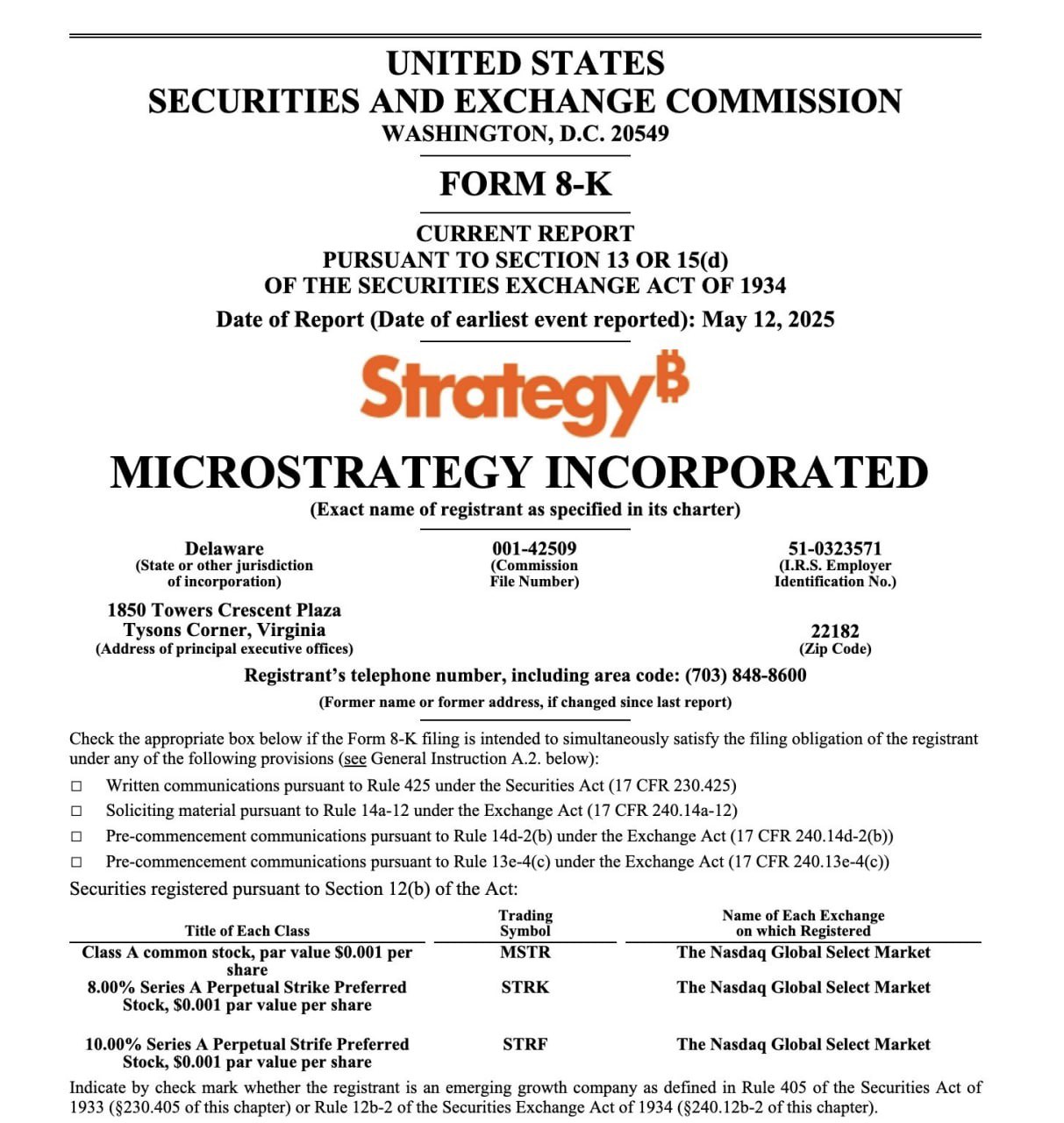
In today's society of galloping digitalization and inflation, many companies around the world directly buy bitcoin on their corporate balance sheets as a hedge against the inflation of fiat currencies . And individual funds vacuum up the rest of the bitcoin from the market through various interesting schemes, including securitized debt instruments denominated in fiat currency. In short, they attract fiat, buy bitcoin, pushing the rate up, show good figures in the reports, attract fiat again through the issue of debt obligations, buy bitcoin again, and the cycle repeats. This is what Michael Saylor from Microstrategy is doing now .
There are also funds that buy shares in corporations that accumulate BTC or control significant mining capacities through stocks. And these funds, in turn, are also linked through mutual penetration of shares.
These funds are the kings of liquidity , there is a probability (almost 100%) that they know something. After all, continuing this trend mentally into the future, not excluding periods of volatility, high inflation of fiat currencies will push entire states, corporations, investment funds to buy bitcoin for reserves, sterilizing the excess of their own currency!
The state of El Salvador not only forms a national reserve of bitcoin, but also made it legal tender along with its own currency. Bitcoin is a means of payment in several other countries. In fact, El Salvador's experiment with a national reserve in bitcoin, despite all the skepticism, is very similar to the state trial balloon of what Microstrategy did at the corporate level with bonds. Saylor has also endured a lot of hate and skepticism, but his current position on bitcoin suggests that he can now laugh at the critics himself.
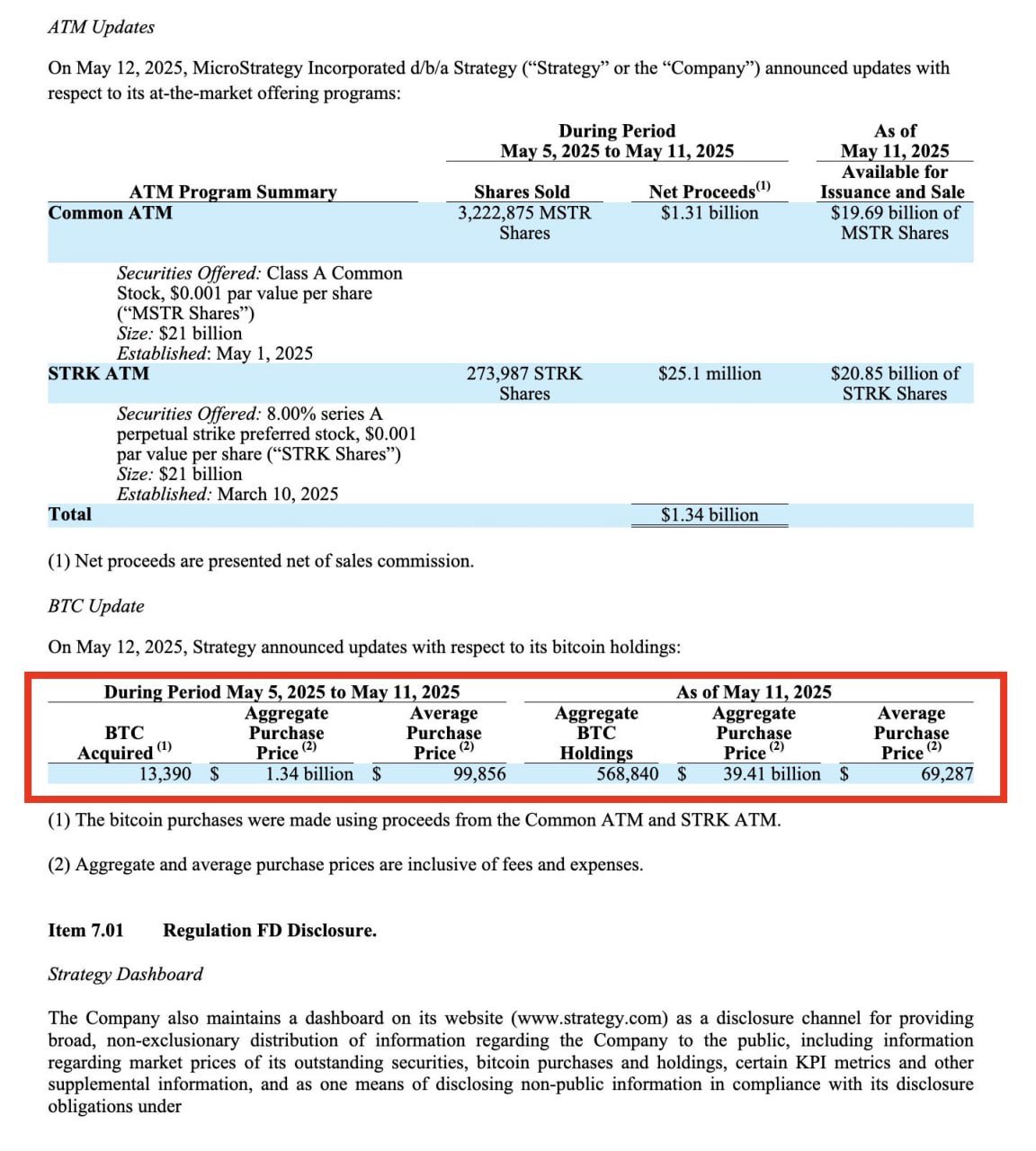
Ultimately, the race to print money by the Central Bank and sterilize it into national reserves in bitcoins can be very exciting. And inevitably deadly. After all, everyone is involved in it, since growth will be due to inflation of other fiat currencies!
This is liquidity flowing in and price rising again. The greed and speed with which these entities are absorbing Bitcoin from the market, even in the absence of clear regulations in many places, suggests that institutional adoption of Bitcoin is a Pandora's box* (*the overconcentration of capital in the form of BTC will necessarily have social and economic consequences. There is also a theory that Bitcoin is a new financial and settlement system for algorithms in the age of AI, or even that AI itself has decided to enslave humanity through Bitcoin, which incentivizes humanity to increase the computing power of AI by mining Bitcoin).
Considering that out of 21 million programmed bitcoins, 3-4 are irretrievably lost, and there are just over 1 million left to be mined , which will be mined around 2140 due to halving (new bitcoins appear 2 times less often every 4 years), the price of bitcoin should continue to grow.
But this is only a basic positive long-term scenario. The price of Bitcoin could easily collapse if Satoshi's wallet wakes up and decides to put his 1 million bitcoins in the glass, or Michael Saylor's carousel crashes, or something completely undermines the trust of participants and discredits the technological basis of BTC itself. For example, there is a chance that the cryptographic algorithms on elliptic curves, on which Bitcoin's indestructibility is based, will be hacked by quantum computing with the help of artificial intelligence, etc. At this basic technological level, there is a fight between a spear and a shield. And so far the shield holds.
It is difficult to disrupt the Bitcoin technological network. It is much more effective to use administrative levers.
Having quickly understood the technological basis of the blockchain and the BTC network as, in essence, a direct ideological attack on the financial model of the world, which was so persistently created and continues to be exploited, and the fact that simple prohibitions cannot solve this, large funds began a special operation to seize control over the network.
Despite the fact that in many countries mining, settlement, storage or even completely bitcoin is prohibited, on the one hand, on the other hand, today the shares of the largest mining companies, as well as physical bitcoin, are largely controlled by funds such as BlackRock, which already owns 700,000 bitcoins on its balance sheet . Enormous liquidity has flooded the bitcoin market. So decentralization of the bitcoin network is largely a conditional thing, technically it looks like this, and the actual control of the network through proxy companies belongs to the largest funds. Therefore, if for some reason they decide to do away with bitcoin completely, it looks like they will be able to.
Having realized that Bitcoin can decentralize the seigniorage from the emission of fiat currencies, simultaneously burying SWIFT as unnecessary, states that do not want to lose control issue CBDC , in the development of which they took all the best from cryptocurrencies, leaving all the worst. CBDC is a Jesuit form of cryptocurrencies, where their very basis and meaning are distorted.
And it is logical that where there is a CBDC, the Bitcoin network is an enemy and a competitor.
“Bitcoin could decentralize the seigniorage from fiat currency issuance, while simultaneously burying SWIFT as unnecessary.”
Any of these events is a black swan for the entire industry, and it is clear that such things are almost impossible to control. But taking into account and making adequate financial decisions is an important aspect of general literacy.
The market is in a phase where sentiment is still too optimistic, so few people even take these risks into account. These fundamentals seem unshakable.
Bitcoin in this sense is a pure pyramid of trust.
Some other top Bitcoin holders in 2025:
Satoshi Nakamoto owns around 1,100,000 BTC.
BlackRock owns 651,617 BTC.
MicroStrategy. The company owns over 580,000 BTC.
The US Government owns 207,000 BTC.
China holds about 194,000 BTC.
Winklevoss Twins. Assets - 70,000 BTC.
Tim Draper. Assets - approximately 29,500 BTC.
Marathon Digital Holdings. Assets - 26,842 BTC.
Michael Saylor. Assets - 17,732 BTC.
Galaxy Digital Holdings. Assets - 15,449 BTC.
Tesla. Assets - 11,509 BTC.
Coinbase Global. Assets - 9,183 BTC.
Hut 8 Mining. Assets - 9,102 BTC.
Riot Platforms. Assets - 8,490 BTC.
Block. Assets - 8,038 BTC.
CleanSpark. Assets - 6,154 BTC.
Metaplanet. Assets - 2,888 BTC.
Psychology of the market cycle. Sociodynamics. Wave and cyclic analysis.
Crypto is everything. How many times have you heard that? Crypto has been buried and dug up several times. One way or another, it is becoming clear that it is the future of money. Programmable currencies are better than non-programmable ones. Simple idea.
There is a technological level, innovations and serious projects, and there are speculations on the market. The overwhelming percentage of everything in crypto (and not only in crypto - everywhere) is speculation .
Will there be an alt season at all? The answer is yes. If (or rather, when) liquidity comes to altcoins. And it will come there last.
THE ALT SEASON BEGINS WITH THE ARRIVE OF LIQUIDITY AND ENDS WITH ITS LEAVE
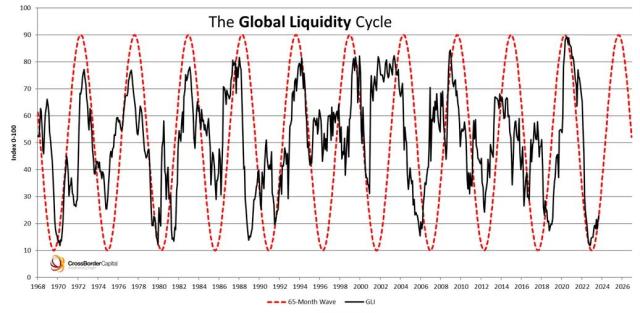
Cyclicity is a property of markets. First, Bitcoin grows, then Ethereum and the largest blockchains, infrastructure projects. Then the second tier, then memes, etc. And according to a number of signs and indicators, the altcoin market will begin to experience a liquidity flow during this year as Bitcoin's dominance in relation to other cryptocurrencies in the total capitalization of cryptocurrencies decreases, i.e. the flow of Bitcoin liquidity into the rest of the crypto - this is the alt season.
“The flow of liquidity from Bitcoin to other cryptos is the altseason”
There is a good description of modern markets in the context of liquidity, cyclicality and especially the crypto market:When the water comes in, first the ships rise, then the boats, and in the end - shit on the sand, when the water goes out, first the shit settles to the bottom, then the boats and then the ships.
“When the water comes in, first the ships rise, then the boats, and in the end the shit on the sand, when the water goes out, first the shit settles to the bottom, then the boats and then the ships.”
A certain cyclicity of the development of history and in general concerning everything connected with human activity is an objective reality. This is the same idea that underlies sociodynamics . Sociodynamics describes economic phenomena, historical processes, for example periods of growth and decline of markets, military conflicts from the point of view of behavioral factors of the human population. And global liquidity movements are also cyclical.
In crypto projects, unless we are talking about large significant projects, this cyclicality is weakly traced due to high volatility. Cryptocurrencies like Bitcoin or Ethereum are a different matter. Where there is a lot of liquidity, price volatility begins to manifest itself naturally.
Price volatility on a large time frame and in a liquid asset carries certain patterns and a pronounced consistency.
The Elliott Wave Theory in technical analysis reflects this approach in the form of a model for interpreting asset price charts as a combination of impulse and correction waves . This representation provides an understanding of what point of the market ( market phase ) you are in the medium and long term, provided that the reference point itself is chosen correctly.
Wave analysis allows you to understand what phase the market is in, understand the trend and make predictive models, the probability of which over large time periods - timeframes - is no worse (and no better) than weather forecasts.
“Wave analysis is no worse or better in accuracy than weather forecasts from meteorologists.”
Market Phases. Market Sentiment. Elliott Waves
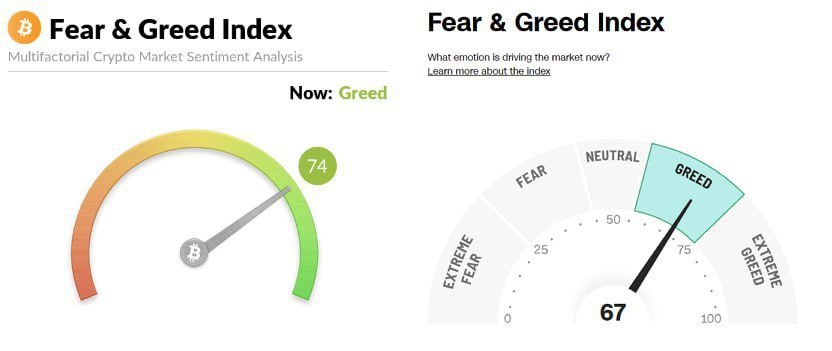
Market sentiment indicates what phase the market is in and reflects the mood of traders and investors. In cryptocurrency, the so-called fear and greed indicator has taken root , showing what moods prevail in the markets: fear of further decline or greed in anticipation of growth. When you are in the euphoria-optimism phase, the maximum . Greed is maximum, prices are growing aggressively and are already high. This indicates that at any moment there is a possibility that profit-taking and a quick trend reversal and price correction may begin. And vice versa, when the market is in the depression phase and fear is maximum , then this may indicate that a trend reversal and price growth are possible soon.
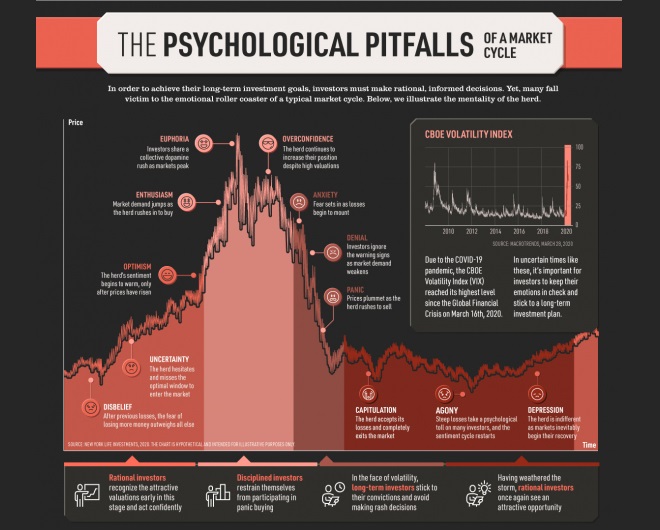
Market sentiment determines a lot. Look at the NVIDIA chart . On the AI wave, new money came from investors, huge liquidity injections led to the company being worth more than the GDP of countries like Great Britain and France at its peak, and one and a half times more than the Russian economy. If you look at it objectively, it has little to do with common sense. But that is what the market expects.
Sentiment is a subjective opinion and mood of market participants regarding the dynamics of prices or other assets. So, the nature of pricing for digital assets and real assets, for example, oil, is the same. Oil also continues to be consumed, while its price is volatile and can change several times over several years.
That is, the price of oil is determined by market sentiment, which is determined by politics, the interest rate, the global situation, etc., to a greater extent than by economic reasons such as the objective level of consumption.
The volatility of crypto assets is explained by lower capitalization, lower liquidity and the notorious “high beta”, which indicates the prevalence and concentration of speculative capital. But the nature is the same - and the outflow of money.
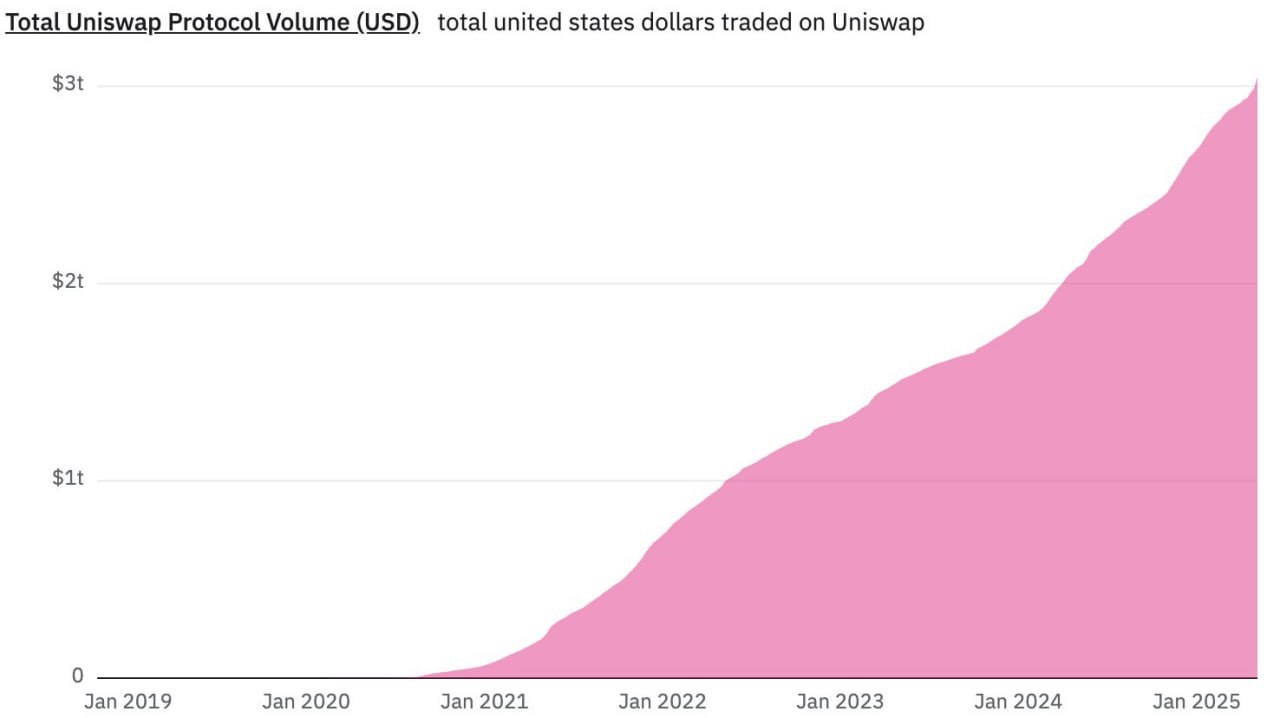
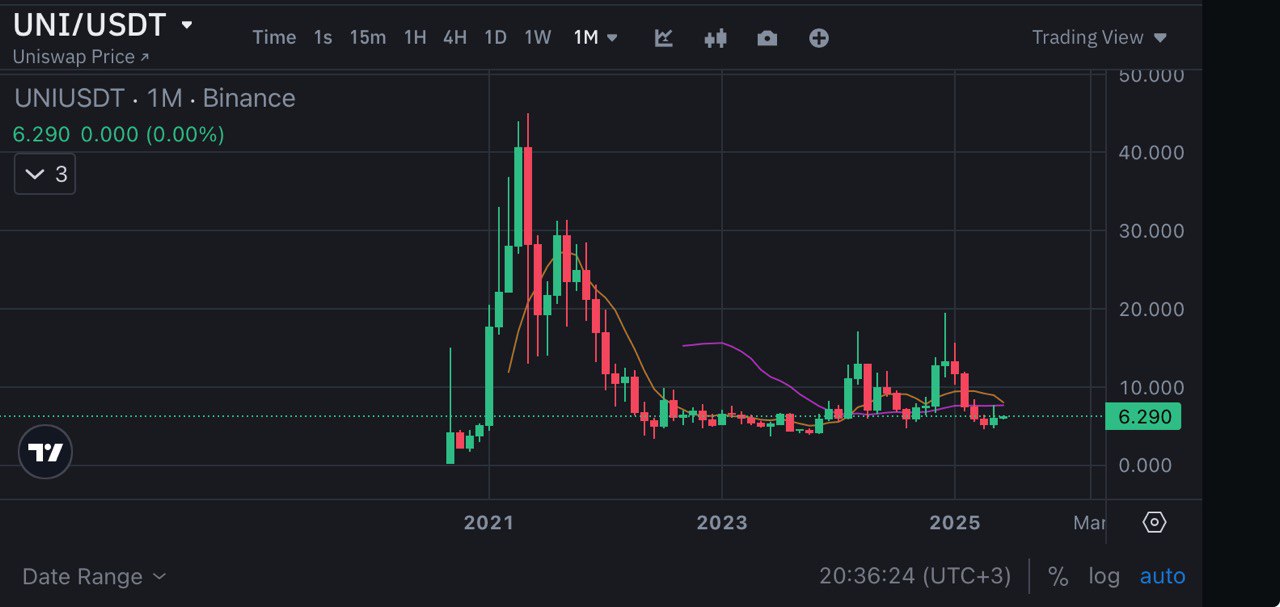
In the crypto world, apart from Bitcoin, there are very powerful projects that have set new standards, have a strong influence and personify the industry and have real practical application. Entire ecosystems with a large number of participants have been built around them, which they actually use. For example, the Uniswap protocol . But the prices of these tokens have fallen by 10-20 times over several years (while 90% of all tokens have died). Despite strong operational results, prices continued to decline. Market participants are pricing in lower prices, positive news is ignored, the mood is pessimistic - this is the market sentiment that leads to an outflow of liquidity and a further fall in price.
“Despite strong operating results, token prices continued to decline. Market participants are pricing in lower prices, positive news is ignored, and sentiment is pessimistic – this is market sentiment.”
New Narratives and Ideas. RWA and BetFi as New Paradigms.
What are the current growth points in crypto?
There are quite a few, but we are interested in this one - RWA .
Real World Assets (RWA) — tokenization of real assets: real estate, bonds, goods. Examples: Ondo Finance (tokenized treasury bonds), Tokeny (company shares).
BetFi is the DeFi of sportsbooks. Tokenization of real assets sets a precedent for betting:
Traditional bookmakers: margin 5–15%
Decentralized protocols: margin 1–3%
The difference in commissions of 3-5 times makes BetFi the inevitable future of the industry.
What should attract users to Votesport?
Votesport is a modern take on the bookmaking business, asset trading, etc. We have hybridized betting and trading on the blockchain. It is a combined architecture. And this gives a lot of new opportunities that are yet to be realized and used, as well as a new experience for users.
The community itself becomes the organizer, owner and beneficiary - this ensures the best financial conditions for everyone.
Votesport is an example of a decentralized betting protocol, where the token is used as a universal key to decentralized services, which are smart contracts. And you need to have them to use the platform.
The more participants there are on the platform, the greater the demand for tokens, the circulation of which is limited, which pushes the price up.
What exactly is driving the demand for vts tokens?
In the current version, during the early airdrop, you can use the token to participate in voting; in the future, it is planned to launch:
Staking Protocol (liquidity income) is a liquidity protocol. It will be possible to stake vts tokens in it, receive income as a liquidity provider. For those participants who take part in voting using leverage .
Oracle Protocol (data validation) is a protocol that will allow data from the outside world (changes in exchange rate, game score, election victory) to be placed on the blockchain as accurately and quickly as possible.
This protocol will require staking and consensus voting to receive a payout for validating an event.
Voting Protocol (governance protocol) is a protocol for decentralizing community decision-making on important issues. For example, the issue of the size of the commission. This is a very big topic, we will talk about it some other time.
In fact, we have received a platform that is ahead of its competitors in many respects.
Votesport is not just an exchange, a bookmaker, but a new class of BETFi protocols on the blockchain. This is a new approach, new tools for earning, the best odds. And what is the special highlight, does it give a unique experience? What is the killer feature?
Imagine that Barcelona plays a hypothetical weak team of the Spanish League. And the bookmakers have a coefficient of about 1.2 for Barca to win, and we will have 1.31, or the best coefficient for the underdog. This is what the PARI market gives you .
Not bad. The difference is noticeable. But the real magic starts like this: imagine that you take Barcelona's victory not with the odds of 1.2, not 1.31, but 13.1!
How is this possible? In a liquid market in Live mode, you can take a x10 leverage on your bet, and your overall position will be 10 times bigger, and therefore the odds and winnings will be 10x higher. Of course, the risks of losing everything will also increase 10 times. The reward/risk coefficient individually programmed by the player when making transactions is a completely new approach that really pushes the boundaries of the usual. But purely technically, this will be possible on Votesport!
DAO or DIE. Problems of the Web3 Industry
BETFi is a Web3 model and it is at the intersection of three spheres: Financial Services, Gambling, Digital Assets.
Games are an effective way to introduce billions of people to the Web3 world.
There are many great and interesting things about Web3, but it takes time for Web2 users to adapt to Web3. Web3 technologies can be quite complex, and this complexity can be a barrier for many people.
Web3 applications are also known for their poor user experience (UX) as they are not as polished and intuitive as traditional applications. This can make it difficult for regular users to adopt and use these new technologies.
This is why an airdrop in the Play-To-Earn (or Vote-to-Earn ) format can be an ideal way to bring people from the Web2 world to Web3 without the risk of loss, while still gaining the necessary experience while playing with prizes and winnings.
Let's sum it up:
- It is better to launch projects during times when there is a lot of liquidity.
- The token must have real utility, and the project itself must solve real problems.
- The project's tokenomics should be focused on network effects, sustainable development and motivation of participants, and therefore should be built on the principles of:
- deficit,
- incentives for long-term holders,
- direct dependence of price on user activity.
The pinnacle of the development of a digital decentralized blockchain platform or network should be decentralized governance (DAO).
Conclusion: The Long Game VoteSport
The project's tokenomics is not a static structure, but a living organism that will evolve along with the ecosystem.
Its strength lies in three principles:
- Hard scarcity as the basis of value
- Network effects as an engine of growth
- Social contracts (CLIFF, Oracle, Liquidity, Voting protocols) as protection against speculation
We are not building a stock exchange or betting, but a new financial primitive. Step by step. The difference is in the intentions and time horizon.
“We are not building an exchange or betting, but a new financial primitive. The difference is in intentions and time horizon”
VoteSport
P.S. For a deep dive, we recommend:
Messari's "Tokenomics 3.0" study
Uniswap's case study and its emission policy
Analysis of the cyclicality of crypto markets from Glassnode.
PPS This article expresses the opinions of the author only. NFA, DYOR.
Article: Intro. Barefoot on Hot Coals.
Learn more about the platform.
How to connect Metamask.
Competition with cash prizes.